Source Plastic Trays for Food Fruit and Core Storage
Compare 30 verified listings for plastic trays designed for food service, fruit display, and core storage applications. Buyers can evaluate specifications like material type, size, and certifications from manufacturers in China; compare the available evidence and request quotations based on your requirements.
Key considerations
Products List





Comprehensive Sourcing Guide
Plastic Trays Sourcing Guide
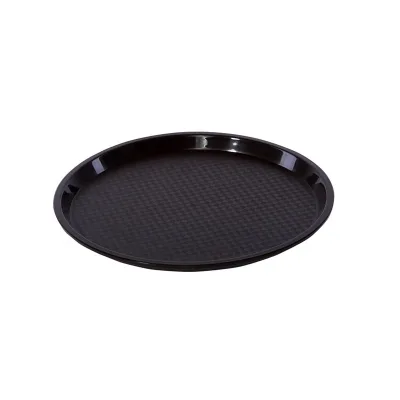
Buyers must first distinguish between disposable and non-disposable options, as the supply chain offers distinct product lines for each requirement. Market observations indicate a clear split where some listings specify non-disposable plastic ABS serving trays designed for repeated use in food service, while other segments explicitly market disposable PP trays intended for single-use fruit packaging. This fundamental distinction dictates the entire procurement strategy, influencing material selection, durability expectations, and end-of-life disposal protocols.
Procurement teams should also evaluate the specific manufacturing process, as the data reveals a mix of pulp moulding, stamping, and standard plastic forming techniques. The presence of pulp moulding alongside plastic ABS and PP materials suggests a diverse supplier base capable of handling different structural needs. Buyers need to verify which process aligns with their specific application, whether it involves placing core items, serving food, or packaging fruit, to ensure the selected tray meets the necessary structural integrity and functional requirements.
Product Scope and Observed Listing Signals
The observed product range spans from basic core trays to specialized serving trays with custom dimensions, reflecting a highly adaptable market. Listings frequently cite standard sizes like 1080x280x100mm or custom dimensions, alongside specific model numbers such as NQ or JD-2986, indicating that suppliers often maintain a catalog of pre-defined SKUs while remaining open to bespoke requests. This variability requires buyers to clearly define their dimensional needs early, as the market supports both rigid standard sizes and fully customized geometries.
Packaging and logistics signals vary significantly across the catalog, ranging from single OPP bag packaging to bulk palletized shipments or wooden cases. Some suppliers offer flexible packaging solutions that can be tailored to customer requirements, while others adhere to strict original packaging protocols. This variance impacts the total landed cost and storage efficiency, so buyers must confirm the specific packing method during the inquiry phase to avoid unexpected handling fees or space utilization issues upon delivery.
Technical Specifications to Verify
Material composition is a critical verification point, with the market offering both Plastic ABS and PP variants that serve different functional roles. ABS trays are often highlighted for their durability in serving applications, whereas PP trays are frequently associated with lightweight fruit packaging and specific thickness ranges like 0.10-0.19mm. Buyers must explicitly request material data sheets to confirm the polymer type, as the physical properties of ABS and PP differ substantially regarding impact resistance and temperature tolerance.
Dimensional accuracy and weight specifications are equally vital, with observed listings providing precise metrics such as a 2.2kg weight or specific length measurements like 1m. The standard size data includes various configurations such as 39x59cm or 29x49cm, but custom orders often require strict adherence to the requested mold dimensions. Procurement teams should verify that the supplier can consistently meet these tolerances, especially for custom models, to ensure compatibility with existing automated handling systems or storage racks.
Compliance and Safety Documentation
Food safety compliance is a primary concern, with many suppliers providing certifications such as FDA attestation and CE/EU marks to validate their materials. The presence of FDA certification is particularly relevant for trays intended for direct food contact, ensuring that the plastic does not leach harmful substances into the product. Buyers should request current test reports to confirm that the specific batch of trays meets these stringent safety standards before finalizing any purchase order.
Environmental and general safety standards also play a significant role in supplier selection, with some listings citing ISO 9001, SGS test reports, and RoHS compliance. While certain products are marketed as eco-friendly, the specific environmental claims must be backed by verifiable documentation rather than general marketing statements. Procurement teams should verify that the supplier holds valid ISO 9001:2015 certification and can provide the necessary SGS test reports to substantiate their quality and safety claims.
Cost Drivers and Commercial Terms
Minimum Order Quantity (MOQ) is a major cost driver, with observed ranges spanning from 500 pieces to 500,000 units depending on the product complexity. Suppliers offering customized ABS serving trays often enforce higher MOQs to justify the tooling and setup costs, whereas standard PP fruit trays may be available at lower volume thresholds. Buyers must align their order volume with these thresholds to avoid prohibitive per-unit costs or the need to negotiate special terms for smaller batches.
Pricing structures are influenced by customization levels, with OEM services and custom packaging adding variable costs to the base price. The market shows a wide price range, suggesting that factors like material grade, thickness, and surface treatment significantly impact the final unit cost. Buyers should request detailed quotes that break down the costs of customization, such as specific branding or unique dimensions, to understand the true cost implications of their specific requirements.
Supplier Qualification and Quality Control
Supplier identity and operational capacity are key indicators of reliability, with many listings identifying themselves as manufacturers and exporters based in regions like Jiangxi, China. The presence of OEM capabilities suggests that these suppliers have the infrastructure to handle custom branding and design requirements, which is essential for buyers seeking private label solutions. Verifying the company type and origin helps buyers assess the logistical feasibility and the supplier's experience in international trade.
Quality control processes should be rigorously evaluated, particularly regarding the manufacturing process and condition of the goods. Listings indicate that products are typically new and may undergo specific processes like stamping or pulp moulding, but buyers must confirm the in-process quality checks. It is advisable to request a quality control plan that details how the supplier manages defects, ensures consistency in dimensions, and validates the final product condition before shipment.
Long-Term Procurement Checks
Sustainability and material longevity are critical for long-term partnerships, especially given the mix of disposable and non-disposable options in the market. Buyers should assess the supplier's ability to provide consistent quality over time, particularly for non-disposable trays that require repeated use. Establishing a clear definition of product lifespan and maintenance requirements will help prevent disputes regarding premature wear or failure in high-volume food service environments.
Continuous improvement and adaptability are essential traits for suppliers in this dynamic sector, where standards and customer needs evolve rapidly. Buyers should look for suppliers who demonstrate a commitment to updating their certifications and processes, such as maintaining valid ISO 9001 status and staying current with FDA regulations. Building a relationship with a supplier who can adapt to changing market demands ensures a stable supply chain capable of supporting future growth and regulatory shifts.
FAQs
How can I get customized plastic trays for my application?
Customization is available for plastic trays, including tailored sizes, shapes, and model specifications. Many listings show customized dimensions alongside standard options, and OEM service is offered. To proceed, provide drawings or sample details, confirm the intended usage such as food or fruit display, and agree on a minimum order quantity, which is commonly listed at around 500 pieces per order.
What certifications should plastic trays have for food use?
For food-contact applications, look for trays certified to FDA requirements, and CE/EU compliance is also listed on some products. SGS test reports and ISO 9001:2015 quality-system certification appear in supplier documentation for plastic trays. Always request the current certificate copies before ordering, confirm which certification applies to the exact tray model you need, and verify the material grade suits your food usage.
What is the typical minimum order quantity for plastic trays?
Minimum order quantities vary widely across listings, with values ranging from single samples up to very large wholesale quantities. A commonly stated MOQ for customized plastic trays is 500 pieces, while standard stock items may be sold as single units. Confirm the MOQ for your chosen model, packaging preference, and customization level, because personalized sizes and printing usually carry higher minimums than ready-made trays.
Which materials are used to make these plastic trays?
The main materials listed are PP and ABS plastics. PP trays are common for disposable fruit and apple packaging, offered in thin thicknesses around 0.10 to 0.19 millimeters, while ABS is used for reusable serving trays. Choose PP for single-use food service and ABS for durable serving or industrial uses, then confirm food compliance certificates match the material of the tray you select.
How are plastic trays packaged for shipping?
Packaging options vary by product and buyer requirements. Common arrangements include one OPP bag per piece with 48 pieces per carton, pallet packing for larger shipments, and original packaging with wooden cases for certain tray types. Packaging can often be customized according to customer requirements, so state your preferred carton quantity, protective needs, and labeling when requesting a quotation from the supplier.
Can I order plastic trays in custom sizes and shapes?
Yes, custom sizes and shapes are widely offered. Listings show customized dimensions, round shapes, and reusable ABS serving trays made to specification, with standard sizes also available across several measurement ranges. Provide your required dimensions, thickness, and application details, and expect customization to influence the minimum order quantity and unit price compared with buying a standard catalog size.